June 25, 2026
Commercial roof installation plays a crucial role in the structural integrity and efficiency of a business facility. A well-installed roof can significantly impact business operations by ensuring protection from various weather conditions and enhancing energy efficiency. While many commercial flat roofing services might be considered adequate, distinguishing a good one from a great one requires a deeper understanding of specific factors. Here, we will delve into aspects ranging from material selection and installation expertise to long-term maintenance strategies that ensure durability and performance.
Material Quality and Selection
A great commercial flat roofing service begins with the careful selection of high-quality materials. Understanding the lifespan of materials is crucial since the longevity of a roof depends heavily on this initial choice. Superior materials resist wear and tear, with some innovations like modern flat roofing systems offering durability that extends the roof's life cycle significantly. According to This Old House, a leading home enthusiast brand, a flat roof system can easily last for 20 years if easily maintained. This longevity ensures cost-effectiveness over time as less frequent replacements and repairs are needed.
The surrounding climate plays a vital role in material choice, as different weather conditions can deteriorate roofing materials at different rates. In areas with high humidity, for example, materials that are resistant to mold and decay are preferred. Conversely, in regions with extreme sun exposure, UV-resistant materials are favored to prevent thermal damage. A great installation considers these factors to ensure the roof withstands environmental challenges. This thoughtful selection of materials tailored to climate conditions can dramatically improve a roof's performance and longevity.
When selecting materials, the balance between cost and quality cannot be overlooked. Though cheaper materials initially appear cost-effective, they may compromise durability and result in higher long-term expenses through frequent repairs and replacements. Innovations in roofing materials, such as advanced synthetic products or eco-friendly options, are improving this balance by offering both affordability and quality. Furthermore, choosing materials from reputable suppliers ensures that only high-grade materials are used, and any necessary support or replacements are available when needed. The difference between a good and great installation lies in these detailed considerations right from the beginning.
Installation Techniques and Expertise
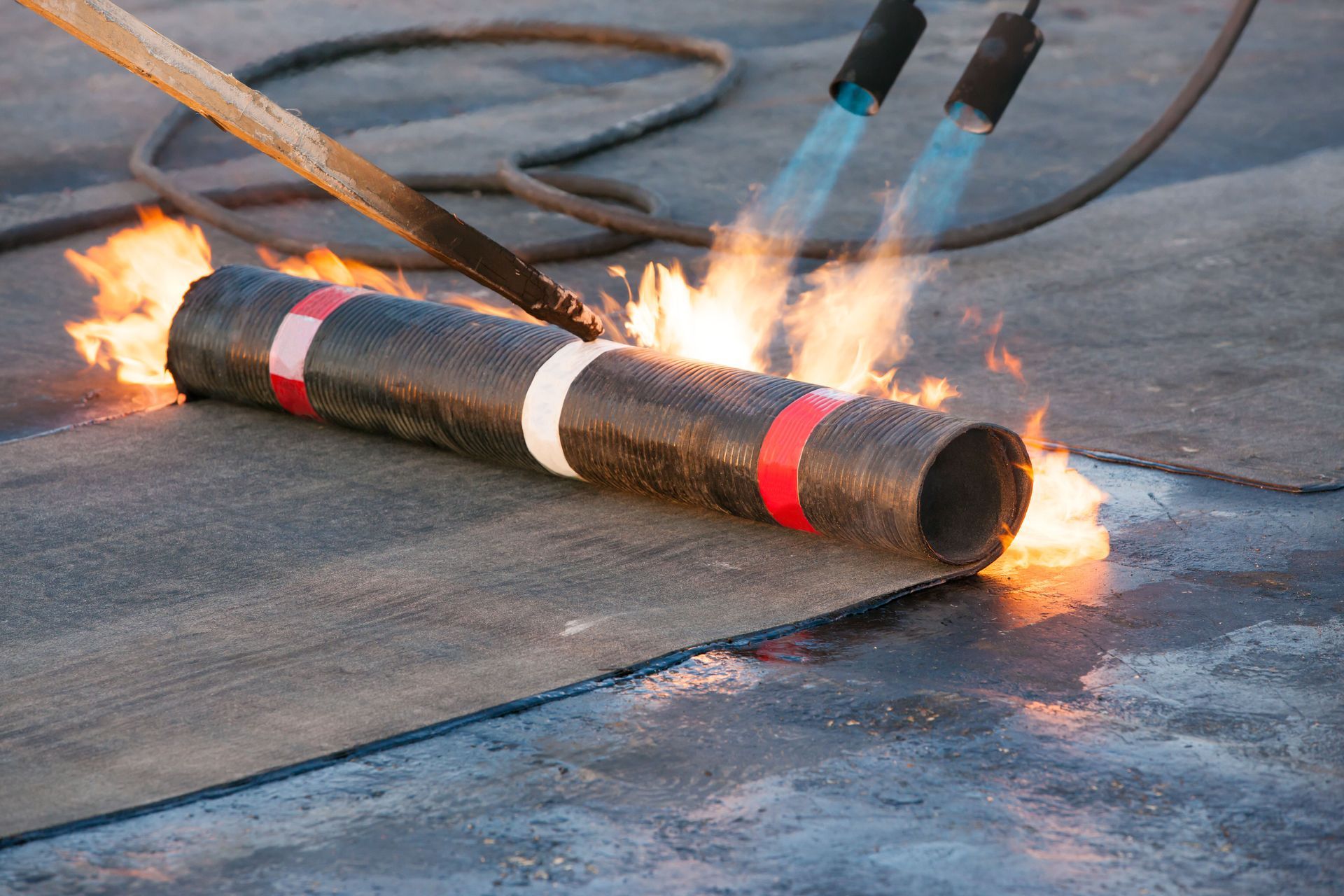
The quality of commercial flat roofing services is heavily dependent on the techniques used and the expertise of the installation team. Experience within the team ensures that real-world challenges can be effectively managed, leading to better installations. Seasoned professionals bring insight into optimal techniques for specific roof designs, which is critical in addressing project-specific nuances. Furthermore, their ability to foresee potential issues during installation can save time and costs, refining the installation process. This level of expertise transforms an ordinary installation into an exceptional one, marked by precision and quality.
Certified and well-trained commercial flat roofing services are essential to a great roof installation. Certifications guarantee that team members have undergone rigorous training and are familiar with industry standards. Such credentials instill confidence in their workmanship and assure adherence to best practices. A team that's up to date with the latest training is more likely to incorporate innovative installation methodologies and adjust to technological advancements. The need for adherence to manufacturer guidelines during installation is critical; it ensures the warranty remains valid and boosts overall performance.
The integration of technology in installation processes is another factor separating good from great roofing solutions. Advanced tools and techniques, such as drones for aerial evaluations or thermal imaging to detect leaks, enhance accuracy and efficiency. These technological aids streamline the installation process and help in precise planning and execution. Quality assurance measures are also a testament to good installation practices. By implementing strict quality checks at each stage, flaws can be detected early, leading to a result that upholds the highest standards of roofing excellence. Ultimately, great installations are characterized by a combination of skilled personnel and advanced methods that enhance quality and reliability.
Comprehensive Planning and Design
Comprehensive planning and design are foundational to transforming a good roof installation into a great one. Site assessments are crucial for identifying unique layouts and environmental factors that influence the roof design. Evaluating aspects like building orientation, architectural peculiarities, and adjacent structures ensures minimal future complications. Such assessments guide the customization of the roof design to match specific needs and conditions. This tailored approach fosters efficiency and assurance of optimal roof performance.
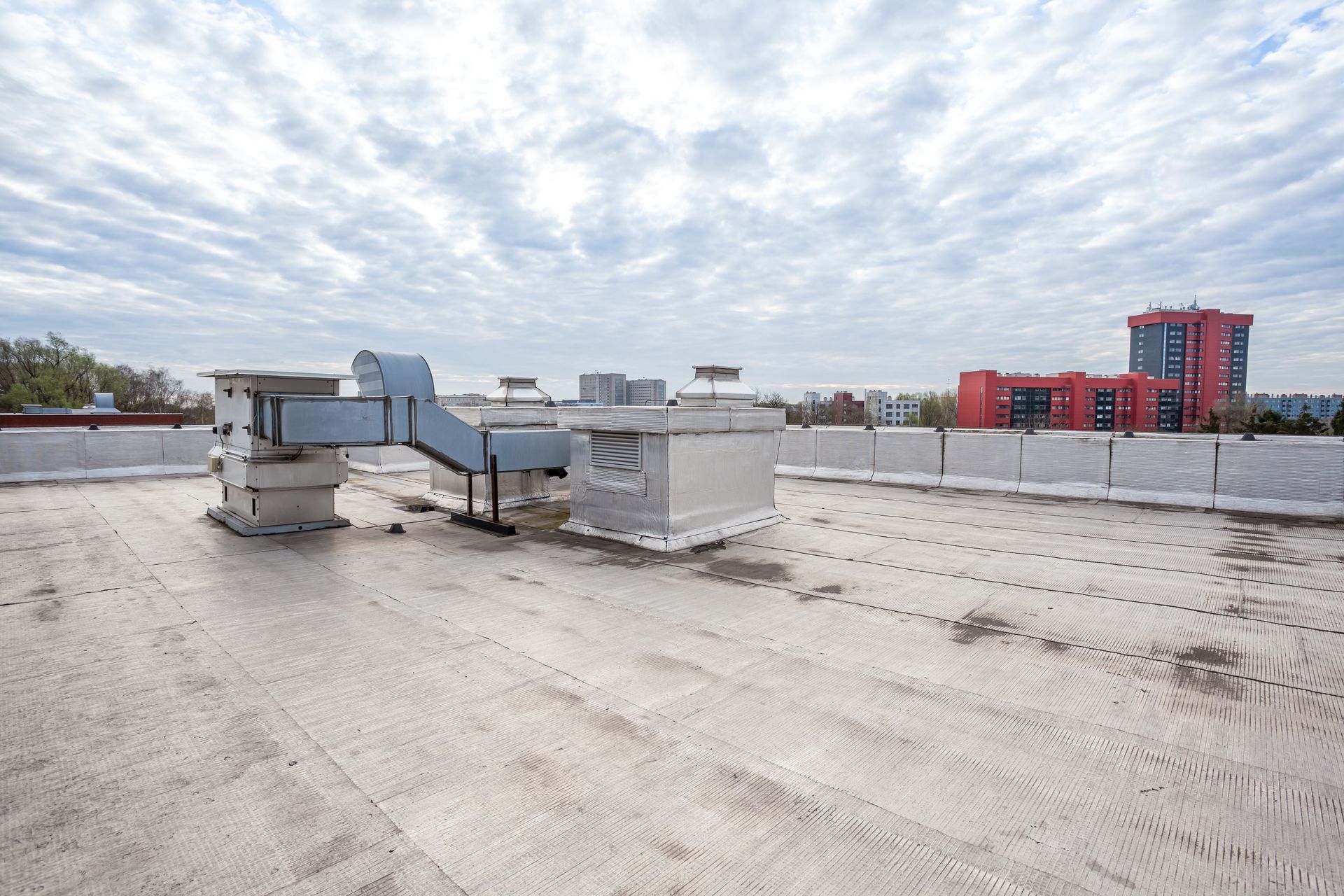
Customizing the roof design goes beyond mere aesthetics; it involves the practical implementation of solutions that attend to specific building requirements. Great commercial flat roofing services consider the seamless integration of the roof with other building systems, such as HVAC, drainage systems, and solar installations. This integration is vital as it maintains the building’s functionality while ensuring that the roof complements and enhances other operational components. Incorporating future-proofing solutions is also a trademark of exceptional planning, ensuring that roofs are adaptable to emerging building technologies and methodologies.
Adherence to regulatory standards further distinguishes great roof installations. Since construction codes and industry standards vary, a meticulous understanding and application of these regulations ensures compliance and avoids legal repercussions. Experienced planners follow these guidelines strictly, ensuring that every aspect of the installation upholds safety and quality standards. Such foresight avoids future issues and strengthens the roof's reliability and longevity. Through meticulous planning and precise design, a commercial roof installation achieves not only its immediate functional goals but adapts to future needs and requirements, ensuring long-term success.
Effective Project Management
Effective project management is essential in making sure that commercial flat roofing services transition smoothly from planning to completion. Efficient time management is crucial; accurate timelines and scheduling ensure the project adheres to its time allocations without unnecessary delays. Methodical planning and execution prevent disruptions that could increase costs or affect building operations. Collaboration among all teams, from planners and architects to contractors and suppliers, is necessary for streamlined operations. Such coordination fosters adherence to timelines and enhances overall project efficiency.
Budget management is another area where effective project management can transform good into great installations. Transparent budgeting ensures that all stakeholders understand the financials, which aids in tracking expenses and avoiding overspending. Resource management is enhanced through clear communication and procurement protocols, which optimize purchasing power and cost efficiency. Risk management involves identifying potential challenges and implementing strategies to mitigate them before they escalate. Anticipating and addressing issues early on streamlines the development process and lowers the risk of unexpected cost increases.
Ongoing communication and feedback loops are hallmarks of successful project management. They allow for dynamic adjustments based on real-time developments and client needs. Continuous communication between the project team and the client ensures that the installation meets or exceeds expectations. Providing regular project updates and soliciting client feedback ensures that any discrepancies are addressed promptly. This open, interactive approach nurtures client satisfaction and reinforces the allegiance to high standards and process integrity. By managing time, costs, risks, and communications effectively, commercial flat roofing services maximize quality and client contentment.
A commercial roof installation is far more than a routine property upgrade; it is a foundational investment in a business’s operational continuity, energy efficiency, and long-term financial health. While many installations may meet basic requirements, the transition from a merely adequate roof to an exceptional one lies in a commitment to precision across every phase of development. Achieving a great commercial roofing system requires a holistic approach that seamlessly bridges strategic material selection with elite craftsmanship. It begins with choosing high-grade, climate-appropriate materials and relies on the right commercial flat roofing services to bring it all together. To get your flat roof installation started, you can rely on the pros over at A&L Foam LLC. Reach out for an estimate today.