
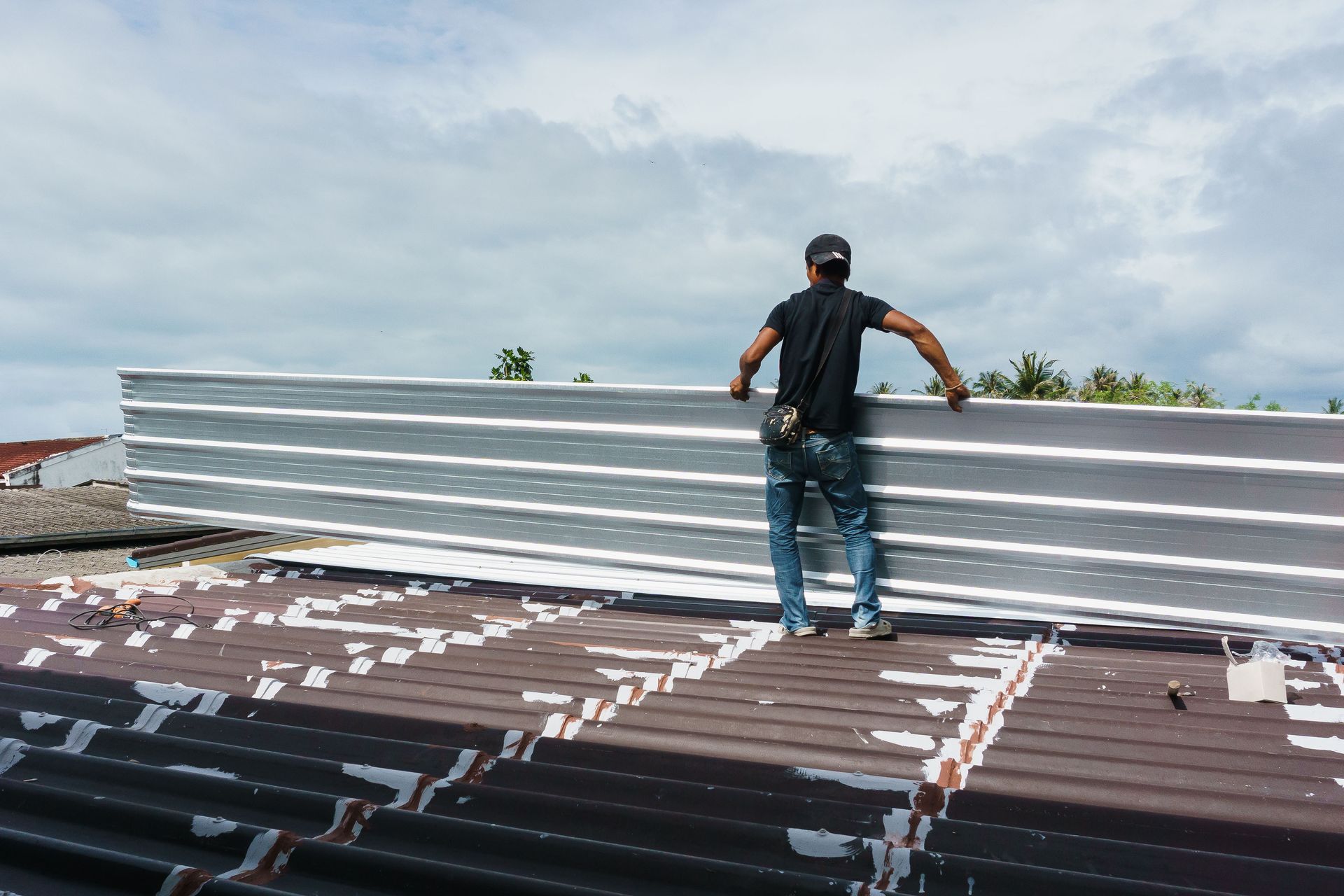
Understanding the fundamental role of underlayment in commercial roofing systems is essential to securing the long-term performance, durability, and structural integrity of your building. Commercial roofing services provide the essential foundation for protecting valuable equipment, preventing moisture infiltration, and insulating interior spaces against severe weather conditions. Selecting the appropriate underlayment ensures that every individual layer of the roof assembly functions efficiently, safeguarding your day-to-day business operations from unforeseen structural failures, leaks, and costly energy losses. Selecting Commercial Roofing Services Commercial roofing services specialize in matching complex structural demands with the ideal underlayment materials. Factors such as roof slope, building usage, localized climate patterns, deck construction, and long-term financial constraints heavily influence this critical selection process. Utilizing professional commercial roofing services guarantees that expert technicians systematically assess environmental stresses, wind uplift forces, and material compatibility before installation begins. Their comprehensive evaluations eliminate guesswork, ensuring that every layer of the roof assembly works in total harmony to withstand extreme weather, UV exposure, and thermal expansion over its entire operational lifespan. Partnering with experienced contractors ensures that the installed system strictly complies with local building codes, manufacturer requirements, and industry standards. According to the NRCA, heavier-weight shingles with a projected long service life should be installed using No. 30 underlayment instead of No. 15. Relying on professional commercial roofing services protects your capital investment, maintains structural safety, and prevents premature material degradation. These experts handle every detail of the application process, from deck preparation and structural repairs to precision seam sealing, giving building owners complete confidence in their facility's ongoing defense against harsh weather events. Furthermore, commercial roofing services extend beyond initial installations to encompass strategic planning, structural assessments, and custom material pairing tailored to your specific facility. Professional contractors evaluate the unique microclimate surrounding your building, taking into account factors like industrial chemical exhaust, high wind exposure, ponding water risks, and surrounding tree shade. By tailoring the underlayment selection to these precise environmental conditions, commercial roofing services build a secondary defense layer that maximizes the lifespan of your primary roofing materials while keeping long-term maintenance costs predictable and manageable over decades of operation. Understanding Synthetic Underlayments Synthetic underlayments have revolutionized commercial roofing services due to their impressive tear resistance, lightweight composition, and exceptional moisture barrier properties. Woven or spun from high-density polypropylene and polyethylene polymers, these advanced synthetic barriers hold up remarkably well under intense UV exposure and heavy foot traffic during complex commercial construction projects. Their high tensile strength prevents accidental rips and punctures during application, ensuring continuous water coverage even when left temporarily exposed to severe wind gusts and rain before the installation of primary roofing materials. Unlike organic felt paper, synthetic materials do not absorb moisture, buckle, or rot when exposed to damp environments, heavy rainfall, or high ambient humidity levels. They deliver a robust, continuous defense against mold growth, mildew, and decay within the underlying roof deck. Synthetic underlayment sheets are manufactured in much wider rolls, allowing contractors to cover large commercial surface areas significantly faster while reducing the total number of exposed seams across the roof expanse. Their slip-resistant, textured surfaces also enhance worker safety on steep-sloped roofs, substantially reducing slip hazards during grueling installation processes. The long-term economic value of synthetic underlayments makes them a preferred option for property managers seeking modern, low-maintenance commercial roofing solutions. Because synthetic materials do not dry out, crack, or release volatile organic compounds over time, they maintain their structural stability across wide thermal ranges. Their superior water vapor resistance ensures that wind-driven moisture cannot seep inward toward the roof deck, preserving structural lumber, concrete, and steel decking. By combining rapid application with top-tier durability, synthetic underlayments remain a foundational component of modern commercial architecture. Moreover, the lightweight nature of synthetic options drastically reduces shipping weight and handling complexity on the job site. Commercial roofing crews can manipulate large rolls with ease, accelerating project completion times and reducing total labor expenses without compromising installation quality or structural defense. Applying Rubberized Asphalt Solutions Rubberized asphalt underlayment offers unmatched waterproofing due to its high concentration of rubberized polymers, asphalt compounds, and self-adhering characteristics. When punctured by mechanical fasteners during the installation of shingles, tiles, or metal panels, the flexible rubberized matrix naturally flows into the gap and seals around the nail or screw shank, effectively blocking potential leak paths. This unique self-healing quality makes rubberized asphalt an invaluable component around roof valleys, vents, skylights, parapet walls, and eaves particularly susceptible to ice dams and heavy water pooling. While rubberized asphalt carries a higher upfront material cost than standard asphalt-saturated felt, its extended operational lifespan provides exceptional financial value for building owners. Commercial structures operating in regions exposed to driving rain, coastal humidity, or severe freeze-thaw cycles gain critical protection by deploying these heavy-duty self-sealing membrane systems. The powerful adhesive backing bonds directly and permanently to the clean roof deck, creating a continuous, monolithic water barrier that prevents horizontal water migration underneath damaged surface materials during severe storms. In addition to superior water sealing, rubberized asphalt acts as an effective sound-dampening layer across the roof structure. Commercial facilities located near heavy traffic zones, industrial parks, or airports benefit from reduced noise transfer caused by heavy rain, hail, and environmental activity, creating a quieter indoor environment for building occupants. Managing Extreme Heat Conditions High-temperature underlayments are engineered specifically for demanding commercial environments, such as beneath dark metal roof panels, tile installations, or in geographical areas subjected to intense, year-round sun exposure. Standard asphalt or felt underlayments can soften, liquefy, degrade, or stick permanently to the structural deck when exposed to sustained high temperatures beneath heat-absorbing roof coverings. High-temperature synthetic and modified bitumen membranes remain stable, flexible, and fully functional even under continuous thermal stress and extreme daily heat cycles. Many high-temperature barriers incorporate specialized reflective metal film surfaces or high-performance polymers that actively bounce radiant heat away from the building envelope. This continuous heat rejection helps regulate indoor thermal conditions, drastically reducing heating, ventilation, and air conditioning (HVAC) workloads during peak summer months. Installing these heat-resistant layers optimizes energy conservation, cuts monthly operational utility costs, and extends the overall service life of both the underlayment and the primary metal or tile surface materials installed above it. Furthermore, high-temperature underlayments prevent the migration of sticky asphalt compounds onto underlying roof decks or adjacent fascia boards. By keeping the protective layer chemically intact during extreme heat spikes, the structural deck remains clean, undamaged, and structurally sound for future roof replacement cycles. Maintaining System Integrity Long-term performance depends on routine maintenance, seasonal inspections, and expert evaluations carried out by professional commercial roofing services . Early identification of thermal movement, flashing degradation, fastener displacement, or seam separation prevents minor wear and tear from evolving into expensive structural repairs and interior water damage. Qualified commercial technicians inspect critical transitions, drainage paths, wall flashings, and membrane laps to confirm that the secondary water barrier remains completely intact year after year. Comprehensive preventive maintenance plans help property managers budget accurately for ongoing repairs, clear windblown debris, unclog internal drainage systems, and ensure manufacturer warranties remain fully valid. Establishing a proactive inspection schedule minimizes unexpected downtime, protects valuable interior assets, and prevents costly operational disruptions caused by sudden water leaks. Investing in routine professional care preserves overall roof integrity and guarantees uninterrupted business operations across all seasons. For more information about the services that we offer, reach out to our incredible team at A&L Foam LLC today!
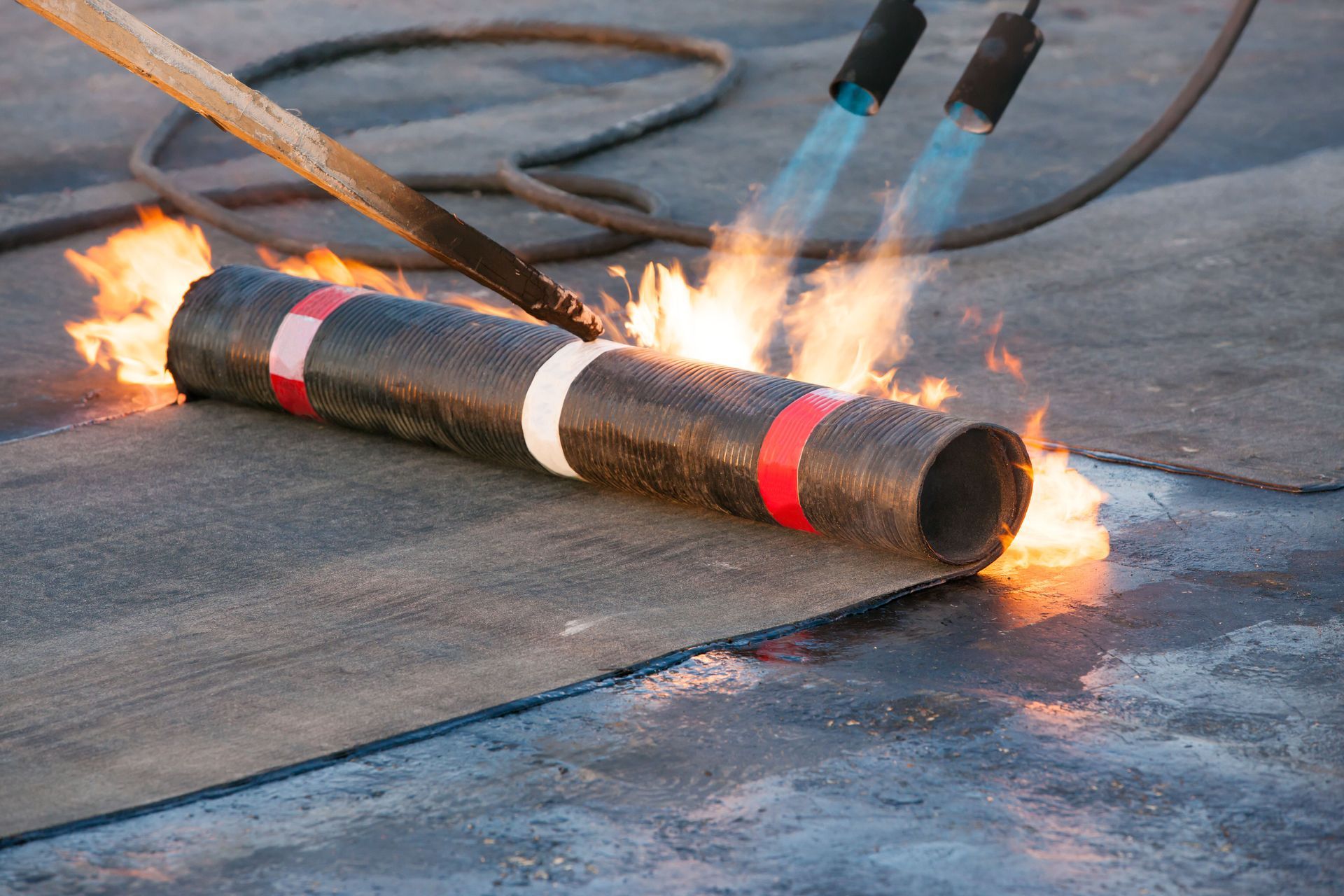
Learn how to plan and prepare for commercial flat roof replacement—budgeting, timing, contractor selection, and minimizing business disruption.
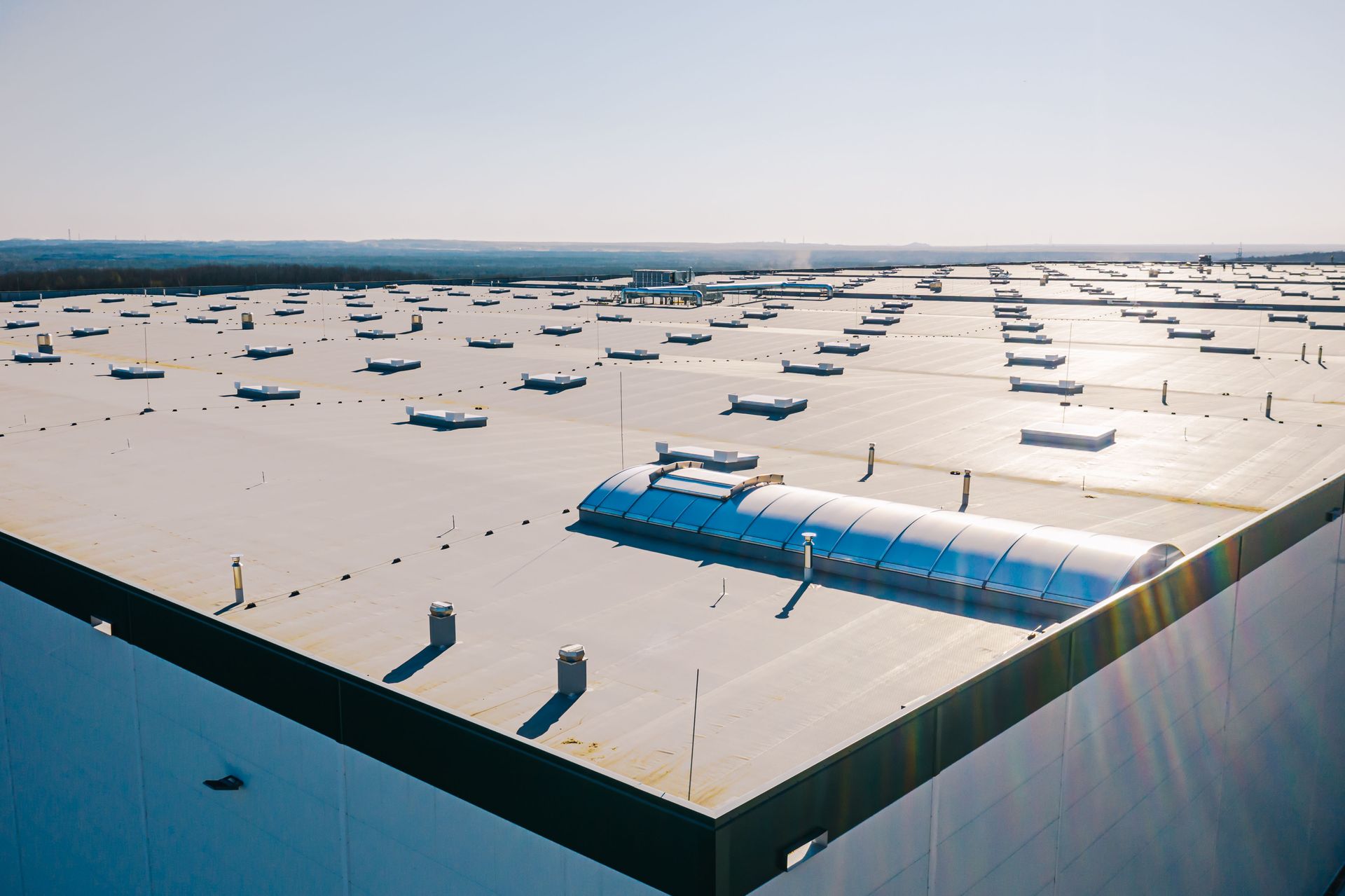
Shield your flat roof from leaks and UV rays. Learn how professional spray foam roofing services provide seamless, energy-efficient weather protection.