When a severe hail storm strikes your commercial property, the sudden and heavy impact can compromise membrane integrity, shatter skylights, and cause hidden structural issues that lead to catastrophic leaks. Severe weather events subject building envelopes to extreme physical stress, where even minor surface bruising can quickly deteriorate into widespread moisture intrusion, ruined insulation, and costly operational disruptions. Navigating the immediate aftermath demands a clear, systematic approach to safeguard your facility, manage complex insurance claims, and execute durable, long-lasting repairs. By taking decisive action immediately following a storm, property managers can prevent secondary water damage, protect internal assets, and preserve long-term building equity. Here is a comprehensive guide on what to do after hail impacts your commercial property.
Assessing the Immediate Damage
Executing a swift and systematic preliminary check helps identify visible vulnerabilities before water penetrates the building envelope. Immediately after the storm passes, safely walk the perimeter of the facility to identify obvious signs of distress, such as damaged downspouts, dented metal flashing, broken skylights, or severe hail accumulation in drainage areas.
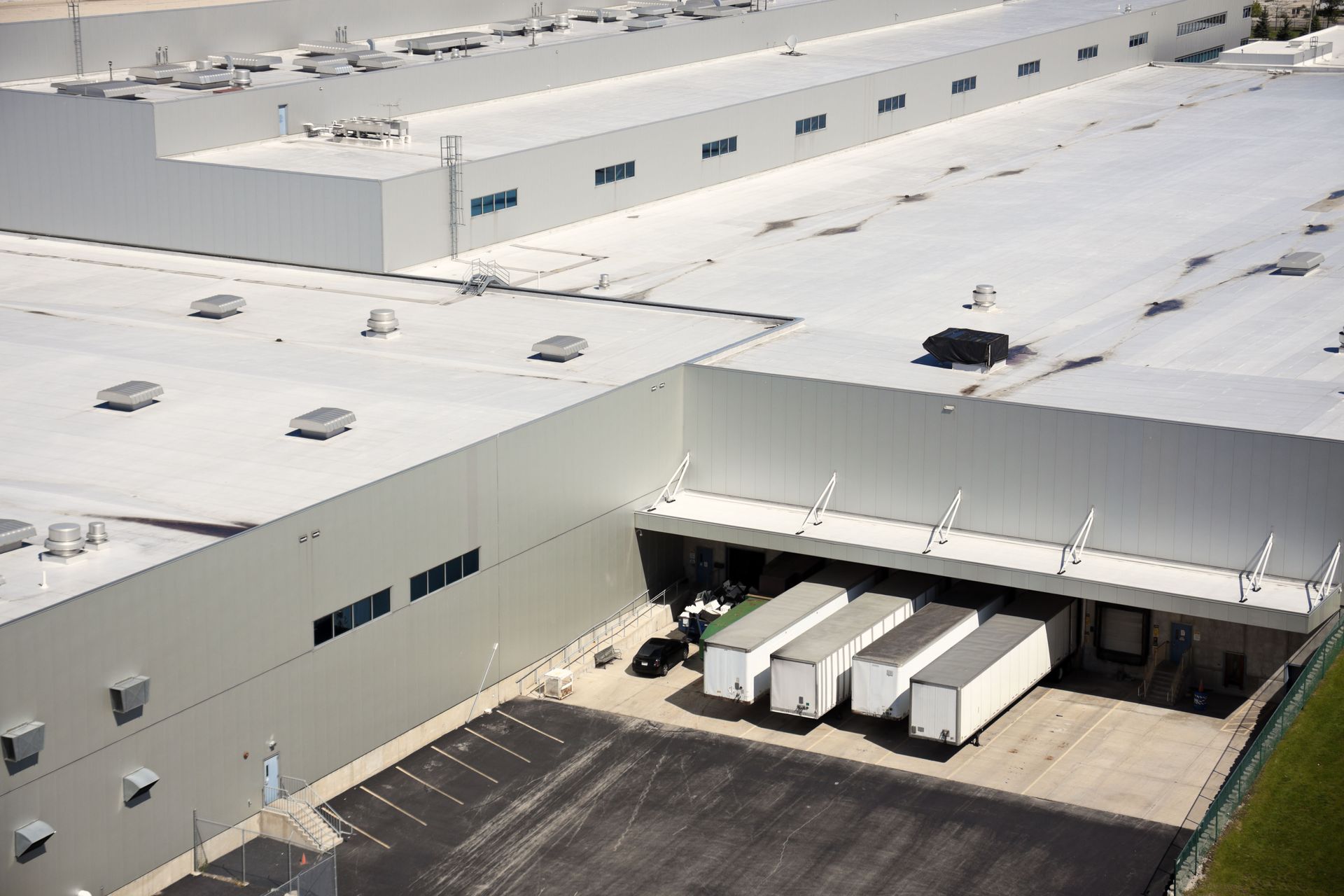
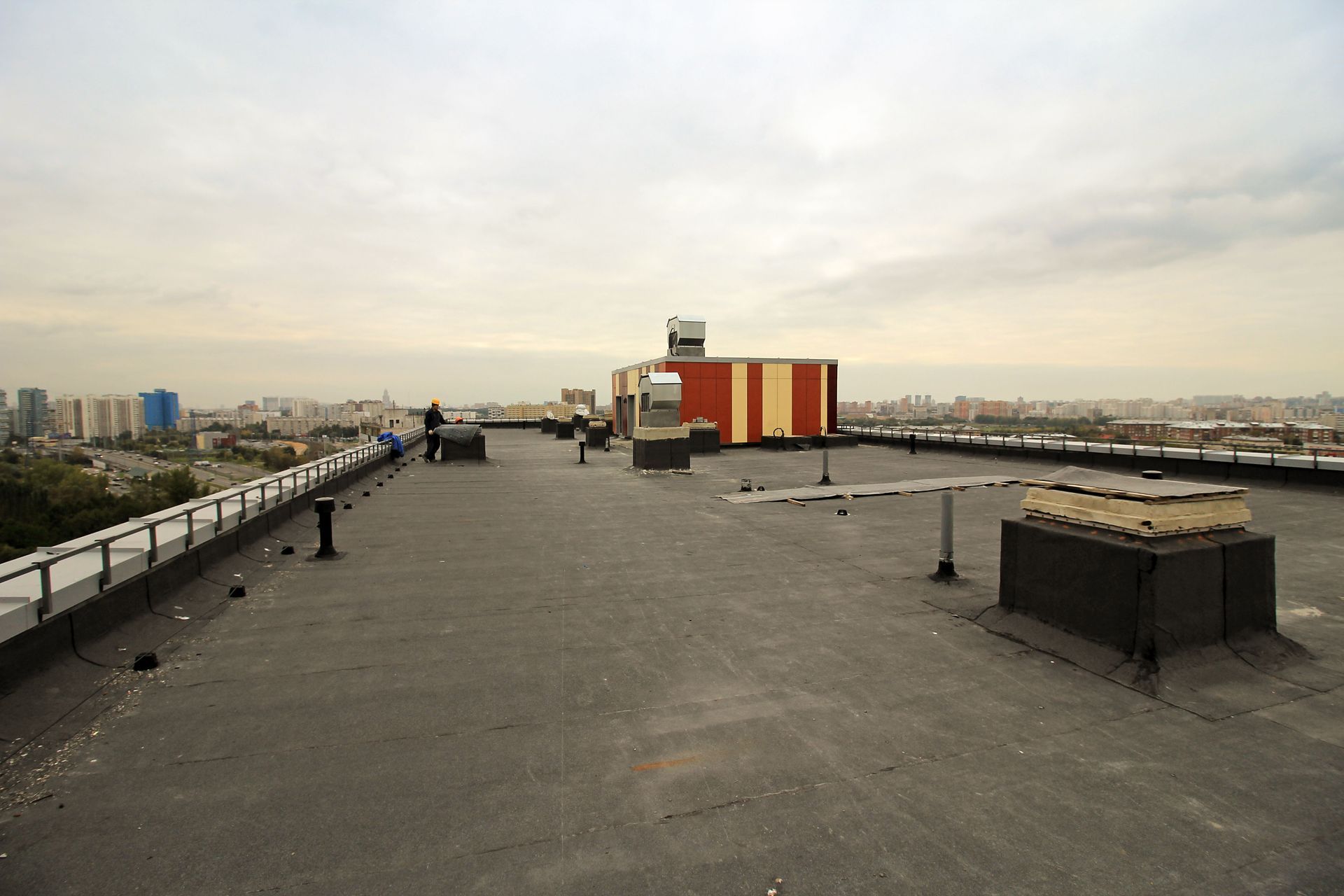
Examine perimeter metal, roof vents, and mechanical HVAC units for impact indentations. On a commercial flat roofing assembly, severe impacts often manifest as circular fractures, membrane bruising, or displaced surfacing materials. Utilize localized weather radar and satellite hail-tracking tools to verify the precise date, time, and hailstone dimensions recorded over your exact property address.
Inspect interior spaces directly beneath the roof deck to look for sudden water stains, ceiling deflections, damp insulation, or pooling water on interior floor surfaces. Take clear, high-resolution photographs and videos of all visible exterior and interior damage, recording detailed notes regarding dates, times, and initial observations to establish a strong baseline for your recovery efforts.
Reporting the Damage
Properly reporting hail impacts creates a formal paper trail that supports your insurance claim and ensures compliance with policy timelines. Contact your commercial insurance provider promptly after the storm event, as early notification complies with policy requirements and initiates the official claims process without unnecessary delays.
Compile your initial ground photos, location maps, and preliminary notes into an organized damage dossier to clear up potential ambiguities during the review. Coordinate with the insurance adjuster assigned to your claim. According to Roofer's Guild, there are almost 100,000 roofing companies in the U.S., making it essential to work with certified public adjusters or independent experts who specialize specifically in commercial assets.
Provide your insurer with organized, time-stamped images comparing pre-storm building conditions to current damage, as visual evidence eliminates guesswork and accelerates claim processing. Submit all formal documentation within the strict deadlines specified in your insurance policy to prevent coverage disputes and keep your claim moving forward efficiently.
Implementing Temporary Protective Measures
Emergency stopgap measures stabilize the building envelope, preventing interior water infiltration while permanent restoration plans are developed. Place heavy-duty, commercial-grade tarps or temporary membranes over severely punctured zones, securing these covers firmly to withstand high winds and upcoming precipitation.
Clear blocked drains, gutters, and scuppers of hail debris and fallen leaves, since ensuring continuous water evacuation prevents massive weight accumulation from standing water. Apply specialized elastomeric sealants or liquid rubber patches over micro-fractures in your commercial flat roofing membrane to stop active leaks immediately.
Secure protective covers or temporary shields around damaged HVAC casing, exhaust vents, and roof hatches to keep rain from entering mechanical shafts. Track and log every dollar spent on emergency repairs, tarps, and emergency labor, as these initial mitigation expenses are typically reimbursable under commercial property insurance policies.
Engaging Professional Roof Inspectors
A formal, technical inspection from a qualified contractor reveals hidden structural issues that basic visual checks miss. Choose an experienced commercial contractor with a proven track record of handling post-storm insurance restoration, ensuring they carry proper state licensing, heavy civil liability insurance, and manufacturer certifications.
Professional inspectors utilize advanced non-destructive testing techniques, such as infrared thermal imaging and nuclear moisture surveys, to detect wet insulation trapped under the surface of a commercial flat roofing assembly. Review the contractor's formal inspection report carefully to confirm that the evaluation details exact square footage requirements, core sample findings, and itemized material recommendations.
Ensure all proposed restoration methods satisfy local commercial building codes and maintain original manufacturer material warranties. Partner with a contractor who provides a clear project schedule that accounts for material delivery, site safety setups, and minimal disruption to daily business operations.
Navigating Insurance Claim Disputes and Adjustments
Even with thorough preliminary documentation, facility managers frequently encounter situations where insurance adjusters underestimate the full scope of post-storm damage. Initial carrier evaluations often overlook micro-cracks or subsurface insulation saturation that is not immediately visible during a brief walk-through. When an insurance settlement offer falls short of covering essential commercial flat roofing repairs, taking proactive, systematic steps is vital to securing the funding required for a complete structural restoration.
Begin by requesting a formal line-item breakdown of the carrier’s estimate to compare against your professional contractor’s scope document. If significant discrepancies exist—such as omitted drainage repairs or underestimated square footage—schedule a re-inspection with the insurance adjuster. Having your certified commercial roofing contractor present during this second site visit ensures that technical evidence, such as core sample analysis and thermal imaging, is clearly demonstrated to the adjuster on-site. Utilizing clear, technical proof helps align the carrier’s scope with industry standards, preventing unaddressed vulnerabilities from compromising your commercial flat roofing assembly over time.
Developing a Permanent Restoration Plan
Once immediate leaks are controlled and the official inspection is complete, you can select the ideal permanent restoration strategy for your building. Evaluate whether localized repairs are sufficient or if total membrane restoration is required. If core samples show that internal insulation remains dry, applying a seamless liquid coating over the existing commercial flat roofing system can save significant labor and teardown costs.
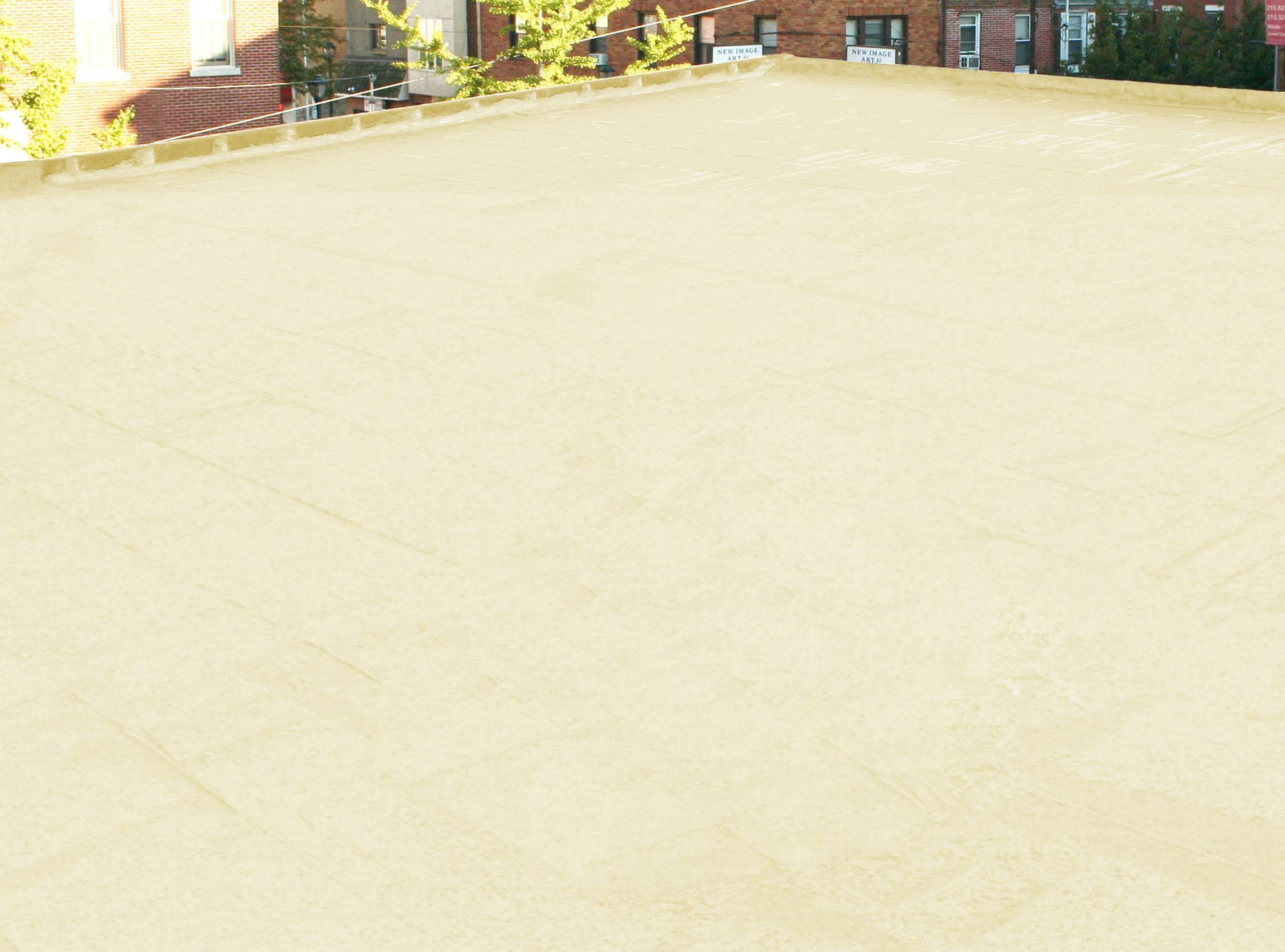
Consider upgrading to modern fluid-applied systems or spray polyurethane foam, as a commercial flat roofing spray foam restoration creates a continuous, self-flashing thermal barrier that eliminates seams—the primary failure point during hail strikes. Select replacement materials certified with UL 2218 Class 4 impact resistance, since investing in high-impact commercial flat roofing materials significantly reduces the likelihood of punctures during future hail events.
High-performance seamless assemblies improve thermal efficiency, lowering heating and cooling expenses while extending overall service life by decades. Finally, establish a biannual maintenance contract to clear drains, inspect seams, and address minor wear before severe weather hits again.
Managing hail damage effectively requires swift action, detailed documentation, and expert execution at every stage of recovery. By systematically assessing the site, working closely with your insurance carrier, applying emergency protection, and selecting high-performance restoration materials, you safeguard your physical asset, mitigate financial risk, and maintain continuous business operations without costly interruptions. A proactive approach to storm recovery not only addresses immediate structural vulnerabilities but also reinforces your building envelope against future severe weather events.
Taking the right steps after a storm ensures long-term peace of mind, preserving property value while optimizing thermal performance across your facility. Upgrading your building's defense with advanced seamless systems eliminates critical failure points, minimizes ongoing maintenance demands, and optimizes overall energy efficiency. When you are ready to protect your investment with superior impact resistance, airtight leak protection, and long-lasting durability, partner with the experienced commercial flat roofing specialists at A&L Foam LLC to restore your roof with complete confidence.