November 18, 2026
Managing energy expenses is an ongoing challenge for commercial property owners. During warmer months, rising temperatures place significant demands on heating, ventilation, and air conditioning (HVAC) systems, increasing electricity consumption and operating costs. One way to address this challenge is by upgrading the building's roofing system with a reflective coating designed to reduce heat absorption.
Commercial silicone coating offers businesses a practical way to improve roof performance while supporting energy efficiency. Its reflective properties help limit solar heat entering a building, while its protective qualities defend roofing materials against moisture and environmental damage. Understanding how this solution works can help commercial property owners determine whether it is a worthwhile investment.
Understanding the Benefits of Silicone Roof Coatings
Improving Solar Reflectivity
Commercial roofs are exposed to direct sunlight throughout the day, causing roofing materials to absorb and retain heat. Dark surfaces, particularly traditional black asphalt roofs, can become especially hot during the summer. This heat can transfer into the building, increasing indoor temperatures and requiring HVAC systems to work harder.
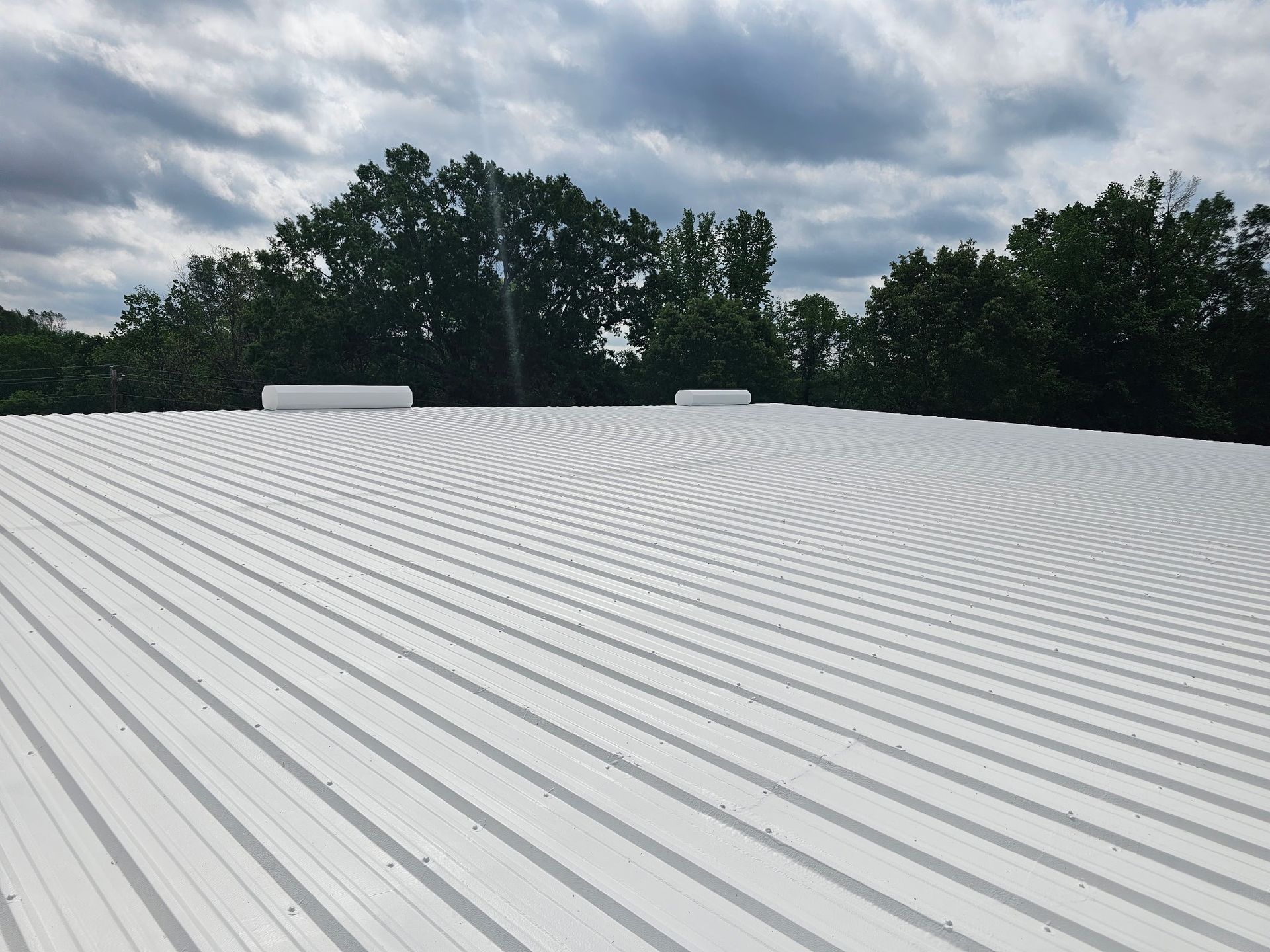
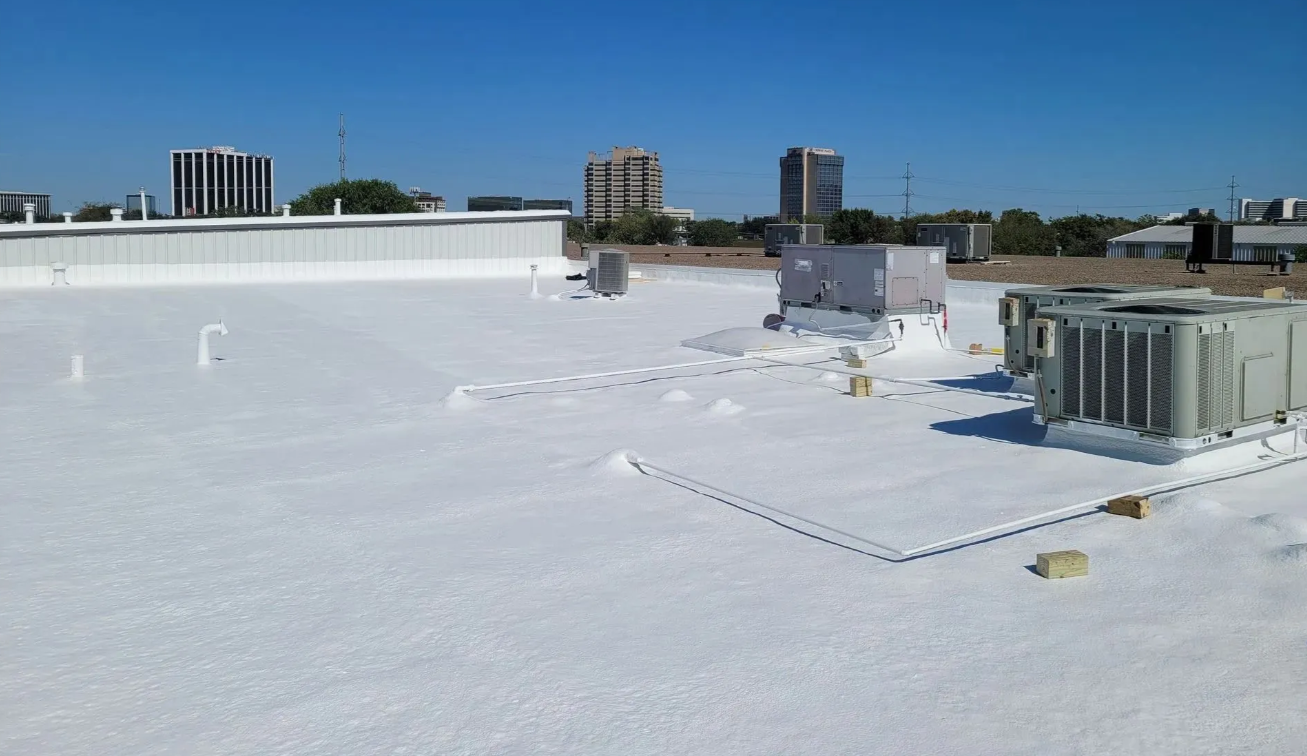
Reflective silicone coatings help address this problem by directing a significant portion of incoming solar radiation away from the roof. According to Henry Company, buildings utilizing a highly reflective commercial white roof coating experience a massive 21.9% lower summer energy consumption for air conditioning compared to standard black asphalt alternatives. This demonstrates how reflective roofing improvements can contribute to meaningful reductions in commercial energy consumption. Installing commercial silicone coating can help businesses take advantage of these energy-saving benefits.
Protecting Against Moisture Intrusion
Water intrusion is another concern for commercial property owners. Roof leaks can damage insulation, ceilings, electrical systems, inventory, and other valuable assets. Even relatively minor leaks can disrupt business operations and create additional maintenance expenses.
Silicone coatings create a seamless, water-resistant surface that helps prevent moisture from penetrating the underlying roofing system. Their ability to withstand standing water makes them particularly useful for certain low-slope and flat commercial roofs. This protection can help extend the service life of an existing roof when the underlying structure remains suitable for restoration.
Supporting Long-Term Roof Performance
Commercial roofing systems experience continuous exposure to ultraviolet radiation, temperature fluctuations, and precipitation. Over time, these factors can contribute to material deterioration and increase maintenance needs.
Silicone coatings offer flexibility and weather resistance, helping protect roofing materials against environmental wear. Their ability to accommodate temperature-related expansion and contraction also supports long-term roof performance. With appropriate preparation and maintenance, a coating system can help commercial property owners postpone more extensive roofing work.
Evaluating the Financial Advantages for Commercial Properties
Reducing Monthly Energy Expenses
Cooling costs can represent a substantial portion of a commercial building's operating expenses, particularly in facilities with large roof surfaces. Warehouses, manufacturing plants, office buildings, and retail properties may experience significant heat gain when their roofing materials absorb sunlight.
By improving roof reflectivity, commercial silicone coating can help reduce the cooling demands placed on HVAC equipment. Lower cooling requirements may translate into reduced electricity consumption, allowing businesses to manage operating expenses more effectively. Actual savings depend on factors such as building design, existing insulation, climate, and HVAC efficiency.
Limiting Maintenance and Replacement Expenses
Replacing an entire commercial roofing system can involve considerable material, labor, and disposal costs. Depending on the roof's condition, restoration with a silicone coating may provide an alternative to complete replacement.
When the existing roofing system is structurally sound, applying commercial silicone coating can help address surface deterioration and improve waterproofing. This approach may reduce the need for extensive work while helping property owners get additional service life from their current roofing investment.
Supporting Commercial Property Value
Energy efficiency and building maintenance can influence how commercial properties perform as long-term investments. Prospective buyers and tenants may place greater value on facilities with well-maintained roofing systems and manageable operating expenses.
A reflective roof coating can contribute to these goals by improving energy performance and protecting existing roofing materials. For commercial landlords, facility managers, and property investors, these improvements may help make a building more attractive while supporting responsible asset management.
Preparing for a Successful Silicone Coating Installation
Inspecting the Existing Roofing System
Before beginning a coating project, contractors should evaluate the existing commercial roof to determine whether it is an appropriate candidate for restoration. This assessment includes examining the roofing membrane, drainage systems, seams, flashing, penetrations, and areas showing signs of deterioration.
Significant structural damage, saturated insulation, or extensive deterioration may require additional repairs or complete roof replacement before coating work can proceed. Identifying these concerns early helps property owners make informed decisions.
Cleaning and Preparing the Surface
Proper surface preparation is essential for achieving reliable adhesion. Dirt, debris, loose materials, and accumulated contaminants can interfere with the coating's ability to bond to the existing roof. Contractors must also address areas requiring repairs before applying the new material.
Depending on the roofing substrate and manufacturer's recommendations, preparation may involve pressure washing, repairing seams, removing deteriorated materials, and applying a compatible primer.
Applying the Coating Correctly
The application process requires attention to product specifications, environmental conditions, and recommended coverage rates. Commercial silicone coating is generally applied using professional spraying or rolling equipment to create an even protective layer across the prepared roof surface.
Contractors must account for roof penetrations, flashing, drainage areas, and transitions between different roofing materials. Proper thickness and consistent coverage are important for achieving the intended waterproofing and reflective performance.
Weather conditions also influence installation. Applying the material under unsuitable temperature or moisture conditions can affect adhesion and curing. Following manufacturer guidelines helps support a durable finished system.
Identifying the Best Applications for Commercial Roof Coatings
Warehouses and Industrial Facilities
Warehouses and industrial buildings often feature expansive roof surfaces that absorb substantial amounts of solar heat. Elevated indoor temperatures can create challenging working conditions and increase cooling demands, particularly in facilities operating throughout the day.
Reflective coatings can help reduce rooftop heat absorption while adding a protective waterproofing layer. These benefits are valuable for property managers seeking to improve building efficiency without immediately replacing an otherwise serviceable roofing system. Commercial silicone coating is particularly worth considering for facilities with extensive low-slope roofing areas.
Office and Retail Buildings
Office complexes and retail properties depend on reliable indoor climate control to support employees, customers, and daily operations. Excessive rooftop heat can increase HVAC workloads, contributing to higher utility expenses and additional equipment strain.
A reflective roofing system can help moderate heat gain and support more consistent indoor temperatures. For commercial property owners managing multiple buildings, these improvements may contribute to broader energy management goals.
Institutional and Multi-Tenant Properties
Schools, healthcare facilities, and multi-tenant commercial properties also benefit from dependable roofing systems. These buildings often have extensive operating schedules and require consistent environmental conditions.
Restoring an existing roof with a suitable coating system may help protect the facility against moisture while improving energy performance. Property managers should consider occupancy requirements and installation schedules to minimize disruptions.
Maintaining a Commercial Silicone Roof Coating
Scheduling Routine Inspections
Although silicone coatings are designed to withstand demanding environmental conditions, periodic inspections remain important. Commercial property owners should arrange evaluations to identify punctures, damaged flashing, drainage concerns, or other conditions that could affect roof performance.
Inspections are particularly valuable after severe weather events, when debris or other impacts may have affected the roofing system. Addressing minor concerns promptly can help prevent more extensive damage.
Keeping Drainage Systems Clear
Effective drainage is essential for maintaining a commercial roof. Leaves, dirt, and other debris can accumulate around drains and gutters, preventing water from flowing away properly. Although silicone coatings offer strong water resistance, maintaining clear drainage pathways helps protect the overall roofing system.
Planning for Long-Term Performance
Commercial property owners should maintain records of installation details, inspections, repairs, and maintenance activities. This documentation helps track the condition of the coating and identify changes that may require attention.
Following manufacturer recommendations and arranging professional assessments can help preserve the coating's reflective and protective properties over time.
For commercial property owners considering roofing restoration or improved energy efficiency with commercial silicone coating, A&L Foam LLC can help evaluate potential solutions and determine the right approach for their facilities. Contact the team to discuss commercial roofing needs and explore how a professionally applied silicone coating system can support your property's long-term performance.